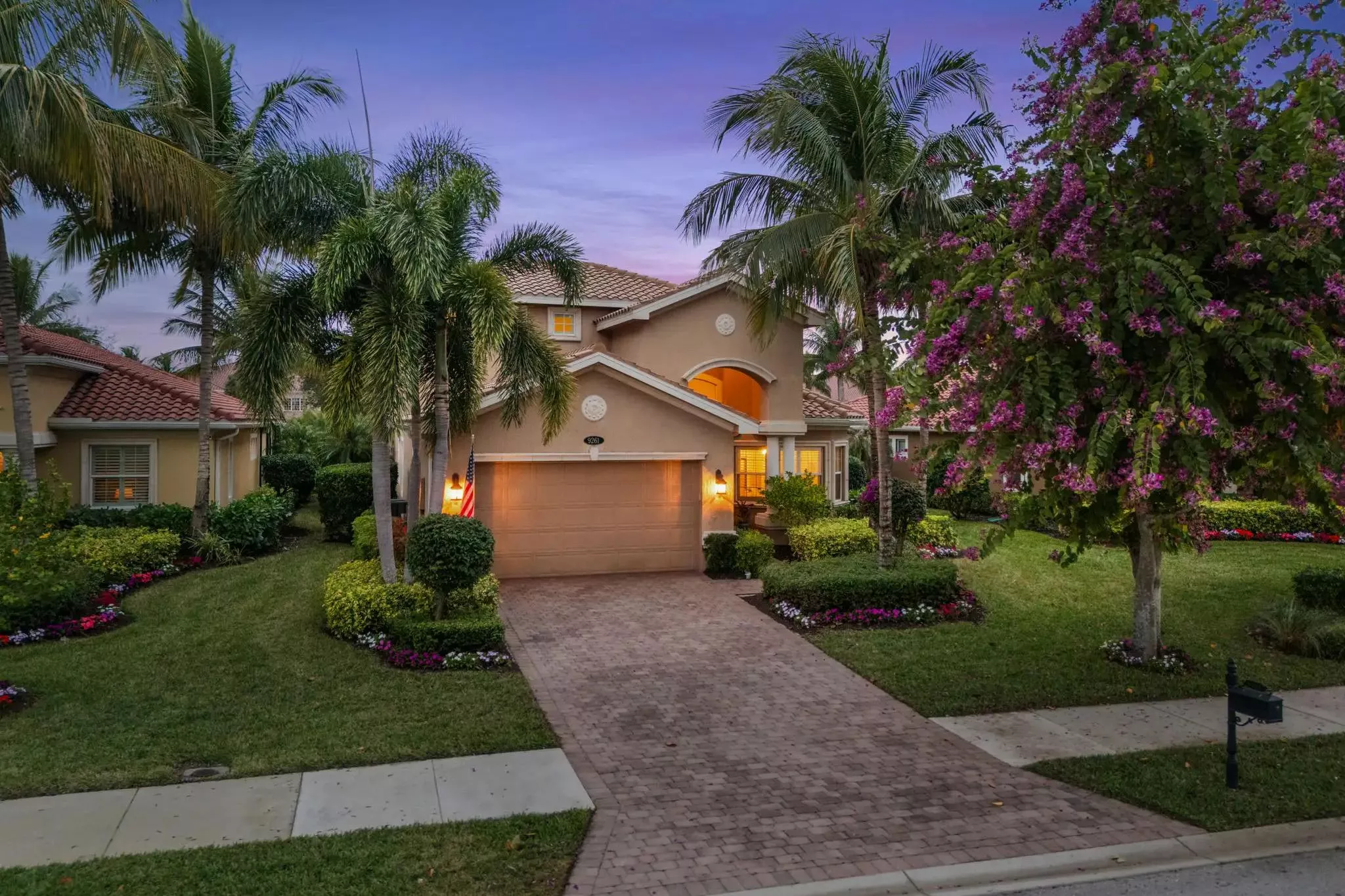
Homes permitted after March 1, 2002 were built under the statewide Florida Building Code, the modern hurricane standard, and they have outperformed older construction in every major storm since. If you remember one number when touring homes in Naples, remember that one.
But 2002 is only the wind answer. On the Naples waterfront, water matters as much as wind, and that adds two more dates to the buyer's calendar: 2012, when Collier County's flood maps were substantially updated, and 2023 and later, the post Ian generation of construction built to the most demanding standards this coastline has ever seen.
Here is what each of those years means, why they exist, and how to use them when you evaluate a home.
The story begins with Hurricane Andrew. When Andrew struck South Florida in 1992 as a Category 5, it destroyed or damaged more than 125,000 homes, and the investigations that followed exposed an uncomfortable truth: Florida had more than 400 different local building codes, many loosely enforced, and construction shortcuts were common. Homes failed not because the storm was unsurvivable but because they were never built to survive it.
Florida's response unfolded in stages. South Florida tightened first, in 1994. Then, on March 1, 2002, the statewide Florida Building Code took effect, unifying the entire state under one modern standard: engineered wind loads, continuous roof to wall connections, sealed roof decks, and impact protection requirements in wind borne debris regions.
The results are not a matter of opinion. Post storm studies found that homes built under the 2002 code sustained meaningfully less damage than even the homes built under the improved mid 1990s standards, with fewer roof failures, fewer envelope breaches, and dramatically lower total loss rates. The code has been tested by the 2004 and 2005 hurricane seasons, by Irma, by Ian, and by Helene and Milton in 2024, and each test has reinforced the same conclusion: the 2002 line is real.
Insurers know it too. Year built is one of the first questions on every Florida homeowners application, and the 2002 threshold influences both availability and premium.
Wind code is statewide. Flood elevation is local, and it is governed by the FEMA Flood Insurance Rate Maps in effect when a home was permitted.
Collier County and the City of Naples updated their flood maps in 2012, and again in 2024, with each revision generally refining and raising Base Flood Elevations. A waterfront home permitted under the 2012 maps was engineered to a more accurate picture of surge risk than one permitted under the older maps, and a home permitted under the 2024 maps is current to today's standard.
This is the distinction Hurricane Ian made unmistakable. As we detailed in our post on Hurricane Ian and Aqualane Shores, the surge did not sort homes by their flood zone designation. It sorted them by elevation. City officials confirmed after inspections that most newer homes did not take water inside, while older grade level structures bore the overwhelming share of the residential damage. Same streets, same zone on the map, completely different outcomes, and the difference was the standard the home was built to.
So for coastal and canal front Naples, the buyer's framework has two layers: 2002 or newer answers the wind question, and 2012 or newer starts answering the water question.
The newest tier is the one you see rising right now in Aqualane Shores, Port Royal, and Old Naples: homes designed after September 2022, permitted under current maps, and built by architects and builders who watched Ian's surge move through these exact streets.
These homes are elevated at or above current Base Flood Elevation, often with additional freeboard beyond the minimum. They carry the latest edition of the Florida Building Code, which is updated roughly every three years and ratchets upward each cycle. And under FEMA's Risk Rating 2.0 insurance methodology, which prices the individual structure rather than the zone alone, they frequently insure far more favorably than their waterfront address would suggest.
Ian compressed a generation of neighborhood turnover into a few years, and the market has repriced accordingly. Resilience is no longer a technical footnote. It is a value driver.
Built 2003 or later. Modern statewide wind code, full stop. Using 2003 as your search filter is the clean way to guarantee the home was permitted after the March 2002 effective date.
Built 2013 or later on the water. Modern wind code plus elevation engineered under updated flood maps. This is the sensible floor for canal front and near Gulf properties.
Built 2023 or later. Current maps, current code edition, post Ian design thinking. The gold tier, and priced like it.
Built 1994 to 2002. Improved over pre Andrew construction, particularly in South Florida, but short of the modern standard. Evaluate roof age, opening protection, and any wind mitigation retrofits.
Built before 1994. This is not automatically a no. Some legacy homes have been substantially renovated, elevated, or retrofitted, and some sit on lots whose land value is the real asset. But these homes require the deepest diligence: elevation certificate, wind mitigation inspection, permit history, and a clear eyed insurance quote before your contingency deadlines, not after. For cash buyers, remember the NFIP's thirty day waiting period we covered in our flood insurance post.
Year built is the single best screening filter available to a Florida buyer, but it screens, it does not certify. A 2005 home with an original roof, a 2015 home with unpermitted modifications, and a beautifully retrofitted 1998 home can all defy their birth years. That is why our diligence process pairs the year built framework with the documents that verify the individual structure: the elevation certificate, the wind mitigation report, the permit record, and real insurance quotes on that home.
At this price point, generalities are not good enough. The right question is never just "what year was it built." It is "what standard was it built to, and can we prove it."
If you are evaluating homes in Naples, Aqualane Shores, Port Royal, or Old Naples and want representation that treats construction standards and storm history as core competencies, we would welcome the conversation.
Suzanne Powers Powers Realty Group, Inc. Milwaukee's Luxury Leader | Wisconsin's #1 Boutique Broker™ 780 Fifth Avenue South, Naples, FL powersrealtyfl.com
Homes permitted after March 1, 2002 were built under the statewide Florida Building Code, the modern hurricane standard adopted after Hurricane Andrew. Post storm studies consistently show these homes sustain significantly less damage than older construction. Using 2003 as a search filter is the cleanest way to ensure a home falls after the effective date
On March 1, 2002, the Florida Building Code took effect statewide, replacing more than 400 inconsistent local codes with one modern standard covering engineered wind loads, roof to wall connections, and impact protection. Studies after subsequent hurricanes found post 2002 homes suffered fewer roof failures, fewer envelope breaches, and far lower total loss rates
Yes, but the key dates differ from wind code. Flood elevation is governed by the FEMA flood maps in effect at permitting. Collier County's maps were substantially updated in 2012 and again in 2024, so waterfront homes built from 2013 onward were engineered to more accurate surge elevations, and post 2023 construction meets current standards.
Not automatically. Many older homes have been renovated, elevated, or retrofitted, and some sit on lots where land is the primary value. They simply require deeper diligence: an elevation certificate, a wind mitigation inspection, full permit history, and insurance quotes obtained before contingency deadlines.
Homes designed after September 2022 are permitted under current flood maps, built to the latest Florida Building Code edition, and elevated at or above current Base Flood Elevation, often with extra freeboard. Under FEMA's Risk Rating 2.0, these structures also frequently insure more favorably than their waterfront locations would suggest.
Suzanne Powers is CEO, Founder, and Broker-Owner of Powers Realty Group, Inc., serving Naples and Marco Island from 780 Fifth Avenue South and Milwaukee's North Shore from Shorewood, Wisconsin. With nearly $2.5 billion in career sales and the highest average sale price in the State of Wisconsin, Suzanne brings a dual market perspective few brokers can match.


Recent Blog Posts on Real Estate Perspectives
Naple Real Estate Perspectives
October 13, 2026 | Suzanne Powers | Powers Realty Group, Inc.
Buying Waterfront on Marco Island: Seawalls, Boat Lifts, and Gulf Access

Naple Real Estate Perspectives
September 29, 2026 | Suzanne Powers | Powers Realty Group, Inc.
Selling Your Isles of Collier Home? Why Gretchen Keating Is the Agent to Call
Naple Real Estate Perspectives
September 28, 2026 | Suzanne Powers | Powers Realty Group, Inc.
Powers Realty Group, Inc. is a distinctive boutique real estate broker focused on the needs of customers delivering exceptional results. We are Florida's Gulf Coast experts. Call us at 239.682.7476 about buying or selling your home.

Powers Realty Group, Inc. - Naples / Marco Island
780 Fifth Avenue South, Suite #200
Naples, FL 34102
239.682.7476
Powers Realty Group, Inc. - Shorewood
4214 North Oakland Avenue
Shorewood, WI 53211
414.963.0000


