
Every year, I help Midwest families make the move or the half move to Naples and Marco Island. And every year, the same question comes up at the closing table: "Okay, we own the home. Are we Florida residents now?"
The honest answer? Not yet. Owning a beautiful home on Fifth Avenue South or a condo overlooking the Gulf does not make you a Florida resident. Residency isn't something Florida hands you with your keys. It's something you establish deliberately, on paper, and with consistency. Here's how it actually works.
Here's something most people get wrong: Florida has no minimum day count requirement. There is no waiting period and no Florida statute that says you must be here 183 days.
The famous "183 day rule" belongs to the high tax states you're leaving. Wisconsin, Illinois, New York, and others use day counts and "closest connections" tests to decide whether a departing resident still owes them income tax. So while Florida doesn't require you to count days, your former state very well might and if you split time between two homes, spending more than half the year in Florida is the practical standard that protects you in a residency audit. Keep a calendar. Keep travel receipts. Auditors have been known to review credit card activity and even cell phone location data.
These are the concrete steps that establish domicile in Florida. Consistency across all of them is what makes your residency hold up.
1. File a Declaration of Domicile. Under Florida Statutes §222.17, this is a one page sworn statement filed with the Clerk of the Circuit Court in your Florida county (Collier County, for our Naples and Marco Island clients). It costs roughly $10–$30, and it creates a recorded public record that Florida is your permanent and principal home. It's not a magic wand by itself, but it's one of the first documents auditors look for
.2. Get your Florida driver's license within 30 days. Florida Statute §322.031 requires new residents to obtain a Florida license within 30 days of establishing residency. Surrender your old license, and register your vehicles in Florida while you're at it. This is one of the strongest signals of intent there is.
3. Register to vote in Florida. Registering with your county Supervisor of Elections is a sworn act that establishes political ties to the state, and don't forget to cancel your registration back home.
4. Apply for the Florida Homestead Exemption. If the Florida home is your primary residence, file for homestead with your county property appraiser by March 1. You'll receive an exemption on your home's assessed value, plus the "Save Our Homes" cap that limits annual assessment increases to 3%. (And keep an eye on this one Florida voters will decide on a property tax amendment on the November 2026 ballot that could expand these benefits. It's proposed, not yet law.)
5. Move your financial and legal life. Open Florida bank accounts. Update your mailing address everywhere banks, brokerages, insurance, pension and dividend payments. Get a Florida safe deposit box and close the one up north. Critically: update your estate plan with a Florida licensed attorney. Your will and trusts should reflect Florida law and declare your Florida domicile
.6. Sever the meaningful ties. This is where residency challenges are won or lost. Notify your former state's tax and voting officials that you've moved. Transfer club memberships, find Florida physicians, move professional licenses where practical. A homestead exemption claimed in two states, or a "primary residence" mortgage up north, will undo everything else you've done.
No single document makes you a Florida resident. What matters is that your driver's license, voter registration, Declaration of Domicile, tax filings, estate documents, and daily life all point to the same address. When they do, your residency is very difficult to challenge. When they don't, you've left the door open.
At Powers Realty Group, Inc., we've spent more than 20 years guiding clients through relocations from Chicago to Milwaukee's North Shore, and now from the Midwest to Naples and Marco Island. Finding the right home is only half the job. Understanding what comes after the closing is the other half, and it's where boutique service earns its name.
This article is for general educational purposes only and is not legal or tax advice. Residency and domicile rules are fact specific consult a Florida licensed attorney and your CPA before making decisions about your domicile.
Thinking about making Florida home? Contact Powers Realty Group, Inc. Milwaukee's Luxury Leader and Wisconsin's #1 Boutique Broker™, now serving Naples and Marco Island at powersrealtyfl.com.
No. Owning property in Naples, Marco Island, or anywhere in Florida does not by itself make you a Florida resident. Residency is determined by your domicile your one true, permanent home which you establish through deliberate steps like filing a Declaration of Domicile, obtaining a Florida driver's license, registering to vote in Florida, and claiming the homestead exemption on your primary residence.
A Declaration of Domicile is a one-page sworn statement, authorized under Florida Statutes §222.17, filed with the Clerk of the Circuit Court in your Florida county Collier County for Naples and Marco Island residents. It costs roughly $10–$30 and creates a recorded public record that Florida is your permanent home. It isn't sufficient by itself, but it's one of the first documents auditors look for, and it should be one of your first steps.
Within 30 days of establishing residency, under Florida Statute §322.031. Surrender your old license and register your vehicles in Florida at the same time a Florida license is one of the strongest signals of intent to make Florida your domicile.
If your Florida home is your primary residence, you can file for the homestead exemption with your county property appraiser by March 1. It reduces your home's taxable assessed value and triggers the "Save Our Homes" cap, which limits annual assessment increases to 3%. Never claim a homestead or primary residence benefit in two states at once a dual homestead claim can undo everything else you've done to establish Florida residency.
Yes, if you haven't genuinely severed ties. States like Wisconsin, Illinois, and New York can audit departing residents and will look at day counts, where your family and doctors are, club memberships, professional licenses, and even credit card and cell phone records. Residency challenges are won or lost on whether your entire paper trail license, voter registration, tax filings, estate documents, daily life tells one consistent Florida story.
Yes. Your will and trusts should be reviewed by a Florida licensed attorney so they reflect Florida law and clearly declare your Florida domicile. Florida has no state estate tax and some of the strongest homestead and asset protection laws in the country, but your estate documents need to align with your new residency to capture those benefits.
Florida has no state income tax, no state estate tax, and no inheritance tax. Combined with the homestead exemption, the Save Our Homes assessment cap, and Florida's strong asset protection laws, these are the primary financial reasons Midwest families establish Florida domicile. Note that Florida voters will decide on a proposed property tax amendment on the November 2026 ballot that could expand homestead benefits it is proposed, not yet law.
Suzanne Powers is CEO, Founder, and Broker-Owner of Powers Realty Group, Inc., serving Naples and Marco Island from 780 Fifth Avenue South and Milwaukee's North Shore from Shorewood, Wisconsin. With nearly $2.5 billion in career sales and the highest average sale price in the State of Wisconsin, Suzanne brings a dual market perspective few brokers can match.


Recent Blog Posts on Real Estate Perspectives
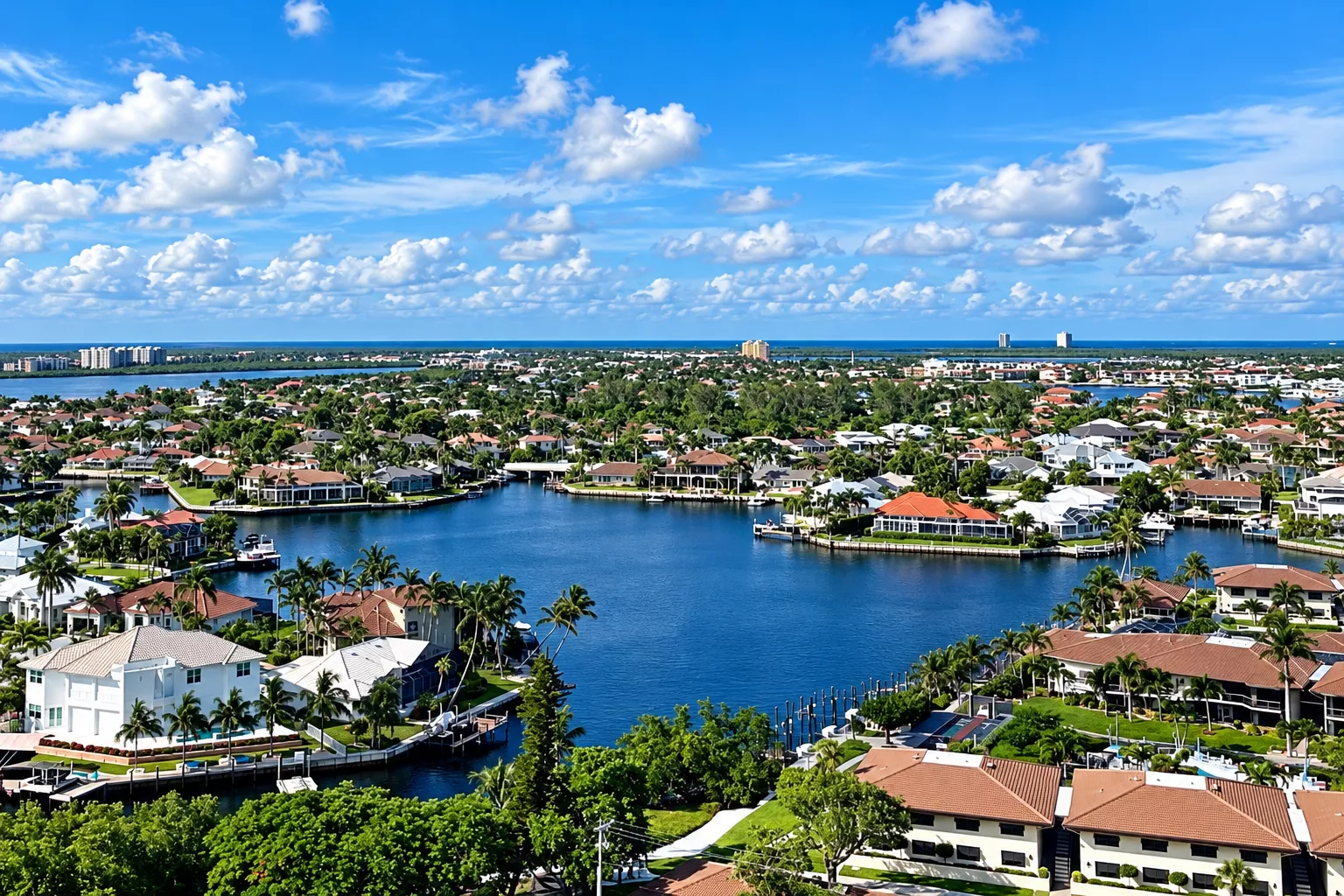
Naple Real Estate Perspectives
October 13, 2026 | Suzanne Powers | Powers Realty Group, Inc.
Buying Waterfront on Marco Island: Seawalls, Boat Lifts, and Gulf Access
Naple Real Estate Perspectives
September 29, 2026 | Suzanne Powers | Powers Realty Group, Inc.
Selling Your Isles of Collier Home? Why Gretchen Keating Is the Agent to Call
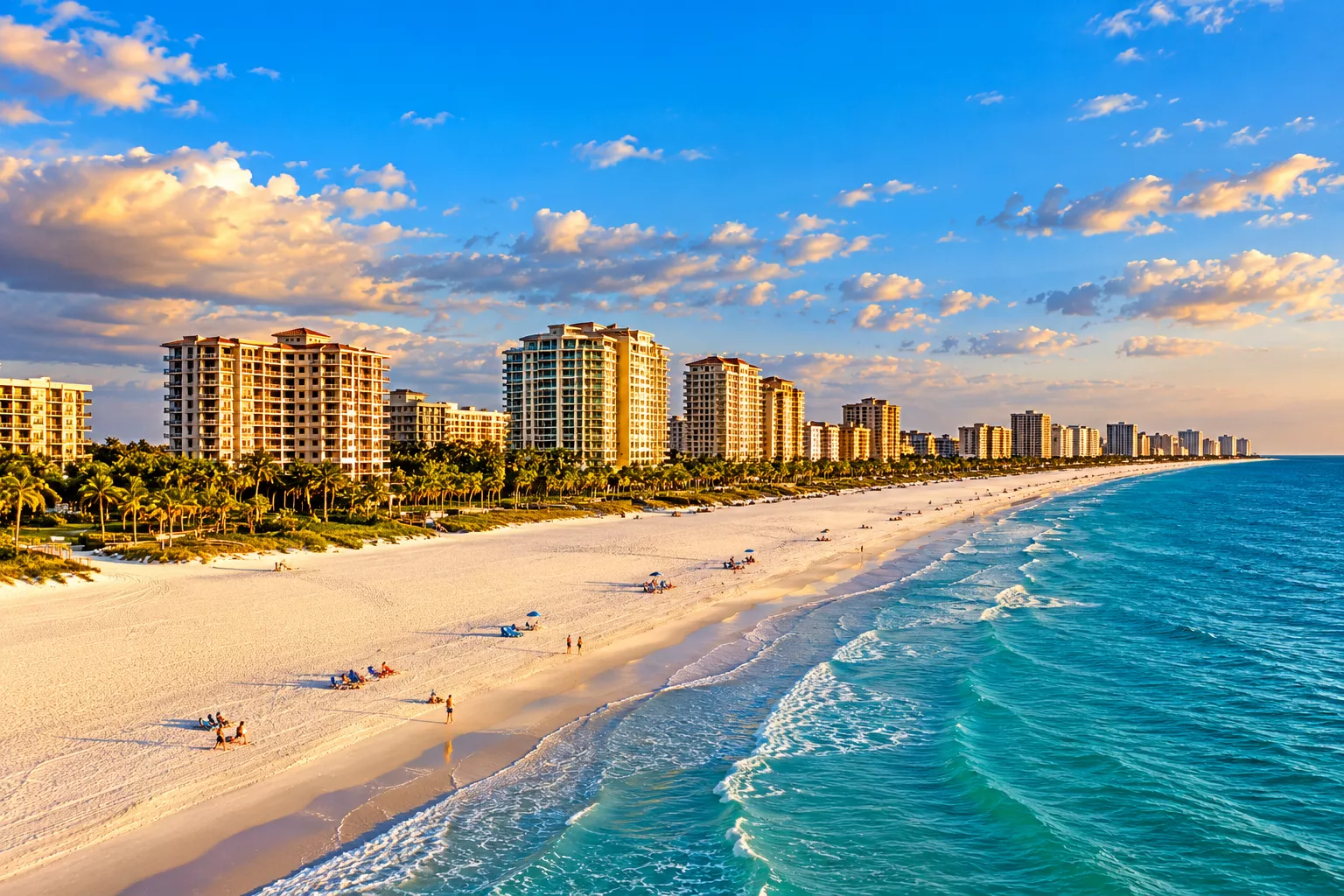
Naple Real Estate Perspectives
September 28, 2026 | Suzanne Powers | Powers Realty Group, Inc.
Powers Realty Group, Inc. is a distinctive boutique real estate broker focused on the needs of customers delivering exceptional results. We are Florida's Gulf Coast experts. Call us at 239.682.7476 about buying or selling your home.

Powers Realty Group, Inc. - Naples / Marco Island
780 Fifth Avenue South, Suite #200
Naples, FL 34102
239.682.7476
Powers Realty Group, Inc. - Shorewood
4214 North Oakland Avenue
Shorewood, WI 53211
414.963.0000


