Buying Waterfront on Marco Island: Seawalls, Boat Lifts, and Gulf Access
Naple Real Estate Perspectives
October 13, 2026 | Suzanne Powers | Powers Realty Group, Inc.

Buying Waterfront on Marco Island: Seawalls, Boat Lifts, and Gulf Access

Buying waterfront on Marco Island? Learn how to inspect a seawall, compare direct and indirect Gulf access, and why the canal matters as much as the house.

Buying Waterfront on Marco Island: Seawalls, Boat Lifts, and Gulf Access

On Marco Island, the water is the address.

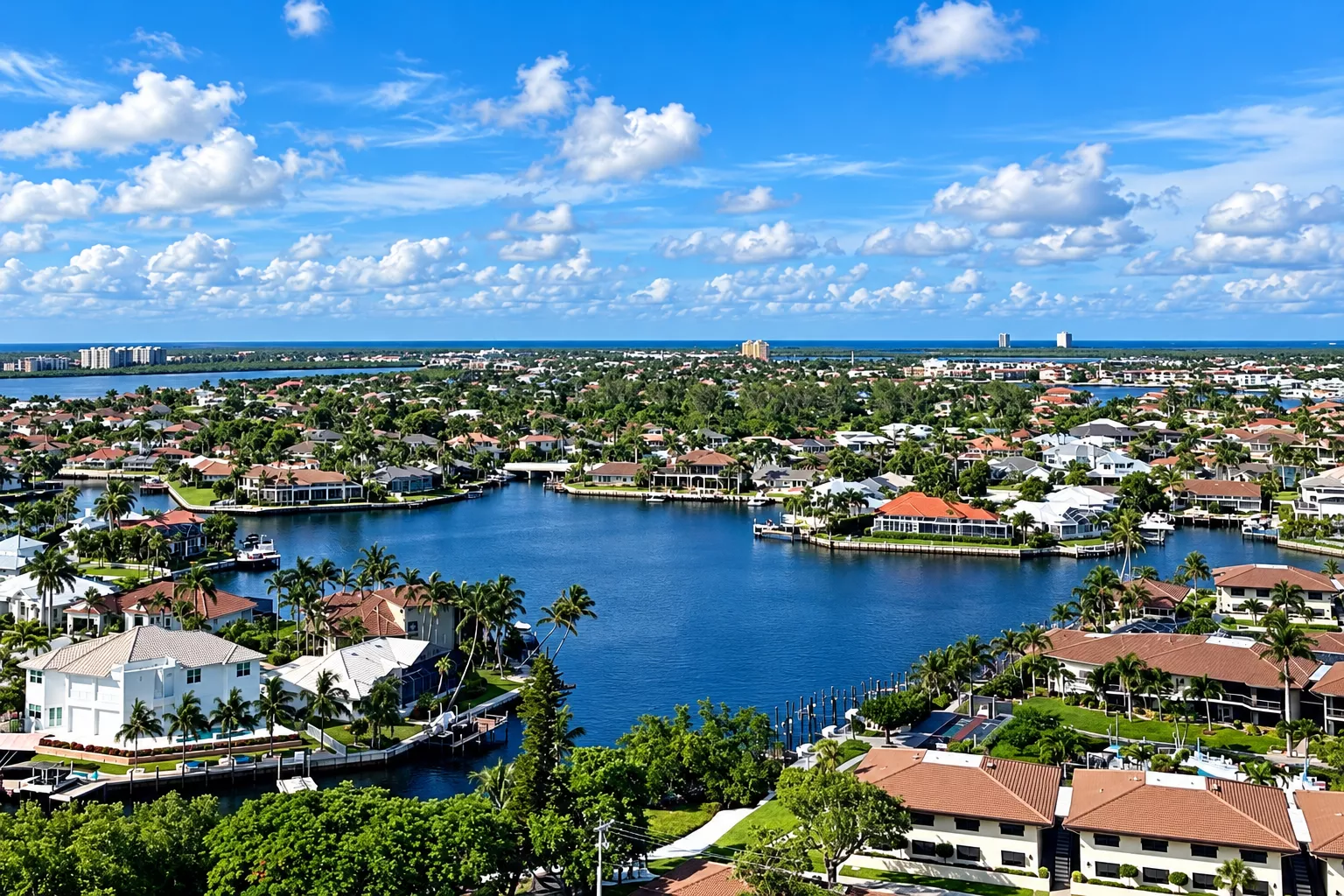
The island was developed beginning in the 1960s with more than 100 miles of man made canals, built so that home after home could have a dock and a path to the Gulf of Mexico. That is what makes Marco special. It is also what makes buying here different from anywhere else.

Two homes on the same street can look identical and be worth very different amounts. The reason is rarely the kitchen. It is the seawall, the dock, the lift, the canal, and how many bridges sit between your boat and open water.

Here is what I want every buyer, and every seller, to understand before they set a price.

Direct vs. Indirect Gulf Access: The Most Important Question

On Marco Island, you will see two terms in nearly every waterfront listing.

Water direct means there is no fixed bridge between your seawall and the Gulf. Any boat that fits the canal can get out: tall center consoles with T-tops, sportfishers, sailboats with masts.

Water indirect means you pass under at least one bridge on the way out. Marco's canal bridges have limited clearance, often somewhere in the range of 8 to 12 feet, and that number changes with the tide.

That difference shapes everything:

  • • Your boat. If you own, or dream of owning, a larger boat with a hardtop, tower, or radar arch, indirect access may simply not work. Measure your boat's full height above the waterline, including everything on top, and compare it to the actual bridge clearance at high tide.
  • • Your time on the water. Canals are no wake zones. A direct access home close to Caxambas Pass, Capri Pass, or Big Marco Pass can put you in open Gulf water in minutes. A home deep in the canal system can mean a long, slow idle every trip.
  • • Your price. Direct access homes command a premium, and they tend to hold it at resale because the supply is fixed.

Indirect access is not a negative. For kayaks, pontoons, and smaller center consoles, it can be the smart value play, with beautiful water views at a lower price. The key is matching the home to the boat, not the other way around.

My tip: before you fall in love with a house, run the route. Ask your agent to map the trip from the dock to the pass, every bridge along the way, and the clearance of each one.

Why the Canal Matters as Much as the House

You can renovate a kitchen. You can rebuild a house. You cannot move it to a better canal.

That is why on Marco Island I look at the water before I look at the floor plan. Here is what separates a good canal lot from a great one:

  • Width. Wide canals feel open, give you room to turn a larger boat, and deliver bigger views. Narrow canals can feel close to the neighbors across the water.
  • Depth. Ask about water depth at the dock at low tide, not just high tide. A shallow spot can limit which boat you keep and when you can go out.
  • Distance to the pass. Fewer turns and less no wake time mean more time on the Gulf.
  • Lot position. Point lots and lots at canal intersections offer long, wide water views and often more frontage. Ask about frontage in linear feet, since it affects both the view and the cost of the seawall.
  • Exposure. A southwest or western exposure means sunsets from the lanai. On an island built around sunsets, buyers pay for it.
  • The neighbors' seawalls. Seawalls work as a system. A failing wall next door can affect yours over time.

Two homes with the same square footage and finishes can sell at very different prices because one sits on a wide, direct access canal with sunset views and the other does not. The water is the asset.

What to Inspect on a Seawall

The seawall is the most expensive thing on a Marco Island lot that most buyers never look at closely. Many of the island's walls date back decades, and local marine contractors have long warned that a large share of them will need replacing.

A standard home inspection often does not cover the seawall in any depth. Hire a marine contractor or engineer for a dedicated seawall inspection. Here is what they, and you, should look for:

From the yard:

  • The cap. Look for cracks, spalling (chunks of concrete breaking away), and rust stains. Rust bleeding through concrete can signal corroding steel inside.
  • Soil loss. Dips, sinkholes, or settling pavers behind the wall can mean soil is washing out through a gap.
  • Leaning. A wall that tilts toward the water, or a cap that is no longer straight, is a red flag.

From the water:

  • Panel joints. Gaps or separation between panels let soil escape.
  • The toe. Erosion at the base of the wall can undermine it.
  • Tiebacks. The anchors that hold the wall back into the yard should be intact.

From the records:

  • Age and permits. Ask when the wall was installed or replaced, and confirm it with City of Marco Island permit records. The city requires a permit for seawall work, with separate permits for the dock, lift, electric, and plumbing.
  • Storm history. Ask whether the wall or dock was damaged in Hurricane Ian or later storms, and how the repair was done.

A newer seawall with permits is a genuine selling point. An aging wall is not a deal breaker, but its cost belongs in your offer and your negotiation.

Docks and Boat Lifts

A great dock and lift turn a waterfront home into a boating home. Here is what to check:

  • Lift capacity. Lifts are rated by weight. Compare the rating to your boat's weight fully loaded with fuel, engines, and gear, not the dry weight on the brochure.
  • Lift condition. Look at the motors, cables, pulleys, and the beams. Ask how old the lift is and when it was last serviced.
  • Dock condition. Check decking, pilings, and hardware. Composite decking lasts longer and stays cooler underfoot than wood.
  • Power and water. Shore power and a water spigot at the dock are conveniences buyers notice.
  • Size and setbacks. Dock and lift size are regulated. If you plan a bigger boat, ask a marine contractor what the lot can accommodate before you buy.
  • Permits. As with the seawall, confirm the dock and lift were permitted.
Selling a Marco Island Waterfront Home? Lead With the Water

If you are selling, everything above is your marketing plan.

Buyers for Marco waterfront are sophisticated. They want answers before they book a showing. The listings that sell best put the water first:

  • State the access clearly. Direct or indirect, the route to the pass, and every bridge clearance. Vague listings lose serious boaters.
  • Document the seawall. Gather the installation date, permits, and any engineering or inspection reports. A newer, permitted wall is worth showcasing, not burying in the disclosures.
  • Show the lift and dock. Include the lift capacity, age, and service records.
  • Market the canal. Width, depth, exposure, and the view. Aerial photography and video should show the path from the dock to open water.
  • Get ahead of inspection. A pre-listing seawall inspection removes surprises and protects your price at the negotiating table.

At Powers Realty Group, Inc., we market waterfront the way buyers actually shop for it: from the water in. If you are thinking of selling on Marco Island, we would love to walk your property and your canal with you.

Frequently Asked Questions

What does water direct mean on Marco Island?

Water direct means there are no fixed bridges between your dock and the Gulf of Mexico, so boats of any height can reach open water.

What does water indirect mean on Marco Island?

Water indirect means you pass under at least one bridge to reach the Gulf. Clearances are limited and vary with the tide, so boat height matters.


How do I know if my boat will fit under Marco Island bridges?

Measure your boat's full height above the waterline, including any T-top, hardtop, or arch, and compare it to each bridge's clearance at high tide along your route.


How do I inspect a seawall on Marco Island?

Hire a marine contractor or engineer. They will check the cap, panel joints, tiebacks, toe, and signs of soil loss, and you should confirm the wall's age through City of Marco Island permit records.

Is direct access worth the premium?

For owners of larger boats, usually yes. Direct access homes also tend to hold their value at resale because the supply is fixed.


Suzanne Powers is the CEO, Founder, and Broker-Owner of Powers Realty Group, Inc., Milwaukee's Luxury Leader and Wisconsin's #1 Boutique Broker™, with offices in Shorewood, Wisconsin and on Fifth Avenue South in Naples, Florida. She serves on the ethics board of the Marco Island Board of Realtors. Buying or selling waterfront on Marco Island? Call Powers Realty Group, Inc.

Experience a seamless home selling and buying process with Powers Realty Group, Inc., Southwest Florida’s trusted local experts. Our tailored approach ensures optimal results. Contact Suzanne today to discuss your home selling or buying needs.

Recent Blog Posts on Real Estate Perspectives

Naple Real Estate Perspectives

September 29, 2026 | Suzanne Powers | Powers Realty Group, Inc.

Selling Your Isles of Collier Home? Why Gretchen Keating Is the Agent to Call
Naple Real Estate Perspectives

September 28, 2026 | Suzanne Powers | Powers Realty Group, Inc.

Marco Island vs. Naples: Which One Fits Your Life?

Naple Real Estate Perspectives

September 21, 2026 | Suzanne Powers | Powers Realty Group, Inc.

Living in the Isles of Collier Preserve: HOA Fees, Neighborhoods, and What Life Is Really Like

Powers Realty Group, Inc. is a distinctive boutique real estate broker focused on the needs of customers delivering exceptional results. We are Florida's Gulf Coast experts. Call us at 239.682.7476 about buying or selling your home.